
Job Bank Posts 2026 Wage Data for Canadian Occupations
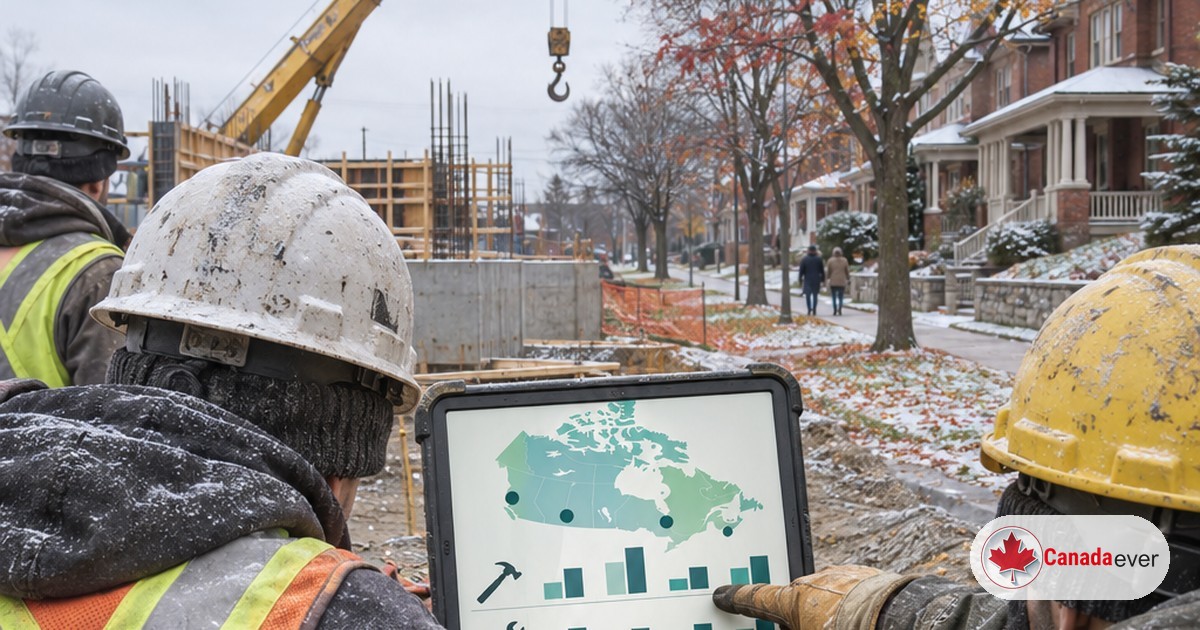
Job Bank’s “2026 Wages” page shows “2026-11-19,” and its CSV filename contains “18nov2026”. It does not announce a temporary-worker wage-floor increase, a new minimum amount, an effective date or eligibility rules. Job Bank updates wage estimates annually and provides occupation- and region-specific figures, so the phrase “job bank raises wage floor temporary” does not describe a change announced on this page.
Did Job Bank raise the wage floor for temporary workers?
Quick answer: No. Job Bank’s wage page announces no wage-floor increase, new minimum amount, effective date or eligibility rules for temporary workers. It provides wage estimates by occupation and region, updated annually. Use the estimates for your occupation and region; for most occupations, national and provincial figures are also available.
- Who it applies to: The estimates are specific to an occupation and region.
- Official date: The “2026 Wages” dataset record was modified November 19, 2026.
- What to do: Compare the estimates for your occupation and region; the page provides minimum, median and maximum estimates for most occupations.
What does Job Bank’s wage page actually say?
Job Bank reports wages by occupation and region, with national and provincial figures available for most occupations. Each job in Canada is assigned to one occupational grouping under the National Occupational Classification.
For most occupations, Job Bank provides minimum, median and maximum wage estimates. These are occupation-specific estimates, not a single wage amount for all workers or jobs.
The dataset page is titled “Wages”. It lists wage datasets from 2012 through 2026, with the latest labelled “2026 Wages”. Its record-modified date is November 19, 2026.
Who can use these wage estimates?
Job Bank groups each Canadian job under one occupational category set by the National Occupational Classification, and its wage estimates are tied to occupations and regions. For most occupations, you’ll see estimates at the national and provincial levels as well.
These figures describe wages for the occupation and location, rather than a single amount that applies to every worker.
: Wages – Open Government Portal (n.d.)
Key figures and dates
| Item | Page information |
|---|---|
| Wage estimates | Minimum, median and maximum for most occupations |
| Update frequency | Annually |
| Dataset years | 2012 through 2026 |
| 2026 dataset label | “2026 Wages” |
| Record modified | November 19, 2026 |
The wage categories describe estimates for occupations, rather than a single amount that applies to every worker. Occupation and region shape the estimates: Job Bank provides earnings information at the regional level, with national and provincial information for most occupations. That structure makes the page useful for comparing wage estimates by location and job, but it does not establish a new minimum for temporary workers.
The “2026 Wages” label identifies a dataset, not a wage-floor increase.
What should you do next?
Choose the occupation and region. Job Bank wage information is occupation-specific and gives earnings at the regional level. Wages for most occupations are also available nationally and provincially.
Use the estimates for context. For most occupations, Job Bank displays minimum, median and maximum wage estimates. The page does not provide a new minimum amount, an effective date for a change or temporary-worker eligibility rules.
Send questions or comments to the listed division. The Labour Market Information Division can be reached at [email protected].
Job Bank wage information on the Open Government Portal
Frequently Asked Questions
Job Bank raises wage floor temporary: No. The wage information page provides occupation- and region-specific wage estimates, updated annually.
What does Job Bank’s wage page actually say?
Job Bank gives minimum, median and maximum wage estimates for most occupations, tied to the occupation and region. It also provides national and provincial figures for most occupations.
Who can use these wage estimates?
You can use Job Bank’s wage estimates to compare information for an occupation and region. The page gives national and provincial figures for most occupations, and it does not set temporary-worker eligibility rules.
How do Job Bank’s minimum, median, and maximum wages get calculated?
Job Bank lists minimum, median and maximum wage estimates for most occupations, with figures specific to the occupation and region. Its wage estimates are updated annually.
Do Job Bank wage estimates include bonuses, overtime, or only base pay?
The Job Bank wage information page does not say whether its estimates include bonuses, overtime or only base pay.
How can I find wages for my specific job title using NOC codes?
Job Bank ties wage information to occupational groupings determined by the National Occupational Classification. Its figures are occupation-specific and regional, with national and provincial estimates for most occupations.
Where can I verify the source data behind Job Bank’s 2026 wage estimates?
Check the “Wages” dataset page on the Open Government Portal, which lists a “2026 Wages” dataset and record-modified date of November 19, 2026.
What should you do next?
The page directs questions or comments to the Labour Market Information Division at [email protected].
Last checked: November 19, 2026. Rules and dates can change; confirm on Canada.ca.
Related on CanadaEver:
- Work permit: latest news and guides
- Temporary worker residency
- Express entry CRS points
- Canada population cap strategy
Sources
- canada.ca: Wages – Open Government Portal