Dependent Children Sponsorship: Age and Eligibility Rules

Family reunification through dependent children sponsorship represents one of the most emotionally significant pathways in immigration law, allowing parents to bring their children to live with them in their new country . Understanding the complex age limits, eligibility requirements, and application processes can mean the difference between a successful reunification and years of separation .
Family reunification through dependent children sponsorship represents one of the most emotionally significant pathways in immigration law, allowing parents to bring their children to live with them in their new country .
Understanding the complex age limits, eligibility requirements, and application processes can mean the difference between a successful reunification and years of separation .
This comprehensive guide will walk you through everything you need to know about sponsoring dependent children for immigration, from basic eligibility criteria to navigating the application process successfully .
What is Dependent Children Sponsorship?
Dependent children sponsorship is a family-based immigration pathway that allows citizens and permanent residents to sponsor their children for permanent residence in their country . The primary purpose is family reunification, enabling children to join their parents and build their lives together in the destination country .
Who Qualifies as a Dependent Child?
The definition of a “dependent child” varies by country but generally includes specific age, marital status, and dependency criteria . Most countries recognize both biological and legally adopted children as eligible for sponsorship, provided they meet the established requirements .
Age Limits Across Different Countries
Understanding age limits is crucial for dependent children sponsorship, as these vary significantly between countries and have evolved over time .


Age Limits for Dependent Children Sponsorship by Country – Standard age limits with extended criteria available for all countries
Canada’s Age Requirements
Canada offers some of the most generous age limits for dependent children . Children qualify as dependents if they are under 22 years old and do not have a spouse or common-law partner . The age limit was increased from 19 to 22 years in October 2017, reflecting Canada’s commitment to family reunification .
Extended Age Criteria in Canada:
- Children 22 or older may qualify if they have depended on their parents for financial support since before age 22 and cannot support themselves due to a mental or physical condition
United States Age Requirements
The United States defines dependent children as unmarried individuals under 21 years of age . The Child Status Protection Act (CSPA) provides additional protection against “aging out” during processing delays .
CSPA Protection Benefits:
- Allows some applicants to remain classified as children beyond their 21st birthday during processing
- Provides calculated age based on processing time to determine eligibility
United Kingdom Age Requirements
The UK maintains stricter age limits, requiring dependent children to be under 18 years old at the time of application . However, exceptions exist for children who previously held dependent status and continue to meet dependency requirements .
Australia’s Age Framework
Australia requires dependent children to be under 18 years old, with specific extensions for full-time students aged 18-25 and individuals with disabilities preventing employment .
Comprehensive Eligibility Requirements
Success in dependent children sponsorship depends on meeting both sponsor and child eligibility criteria across multiple dimensions .
Sponsor Eligibility Requirements
Basic Sponsor Qualifications:
- Must be at least 18 years old
- Must be a citizen, permanent resident, or eligible status holder
- Must reside in the destination country (with some exceptions for citizens abroad)
- Must demonstrate financial capacity to support the child
- Must have no disqualifying criminal convictions
Child Eligibility Requirements
Universal Child Requirements:
- Must meet age requirements for the specific country
- Must be unmarried and not in a common-law relationship
- Must be financially dependent on the sponsor
- Must be the biological or legally adopted child of the sponsor
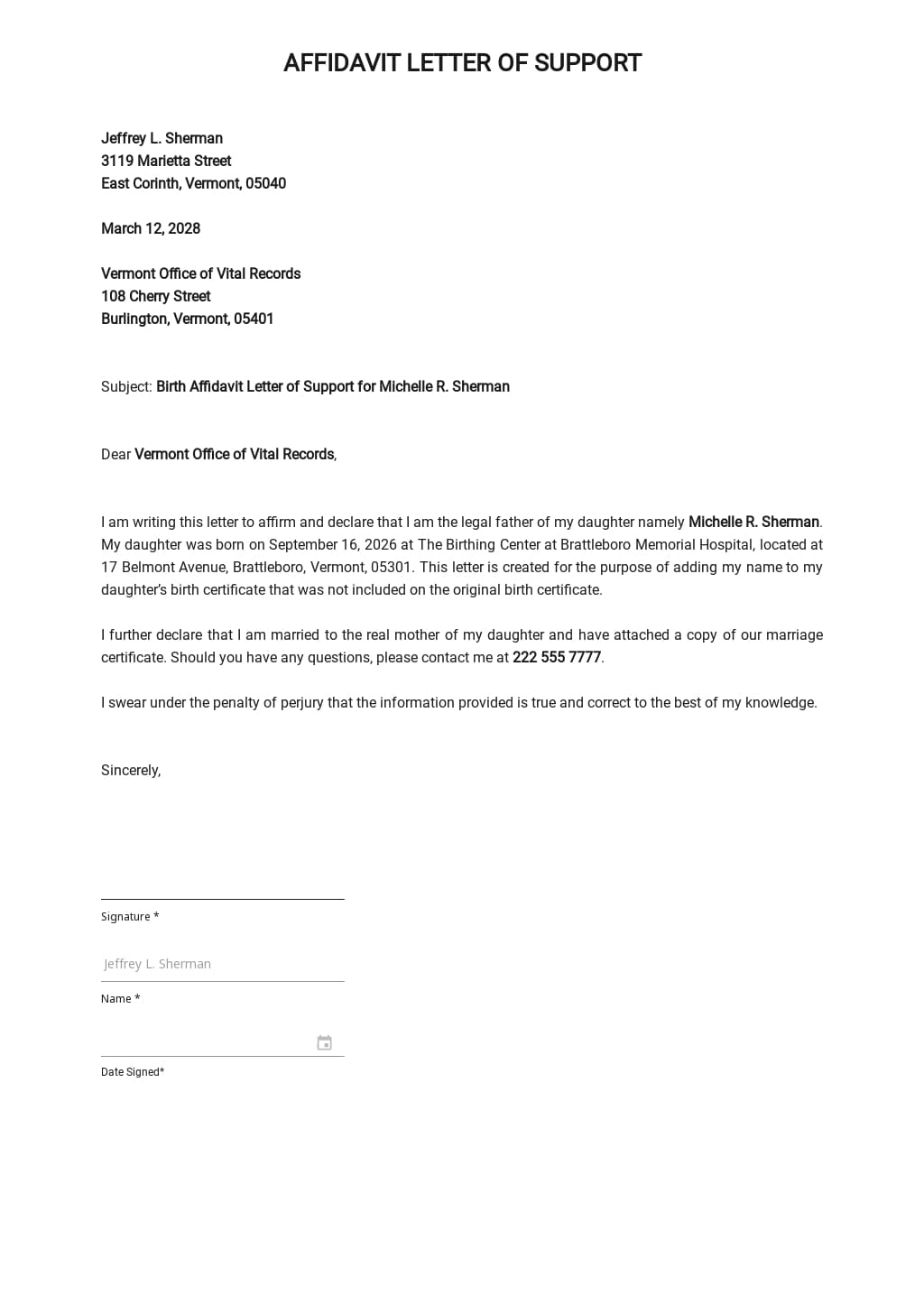
A sample affidavit letter of support used to add a parent’s name to a child’s birth certificate, serving as proof of parent-child relationship for immigration purposes
Required Documentation and Application Process
The documentation requirements for dependent children sponsorship are extensive and vary by country, but certain core documents are universally required .
Essential Documents Checklist
Core Application Documents:
- Birth certificate (original or certified copy)
- Adoption certificate (if applicable)
- Passport and identity documents
- Medical examination reports
- Police clearance certificates
- Biometric information
Sponsor Documentation:
- Proof of citizenship or permanent residence
- Financial documents (income statements, tax returns, bank statements)
- Marriage certificate (if applicable)
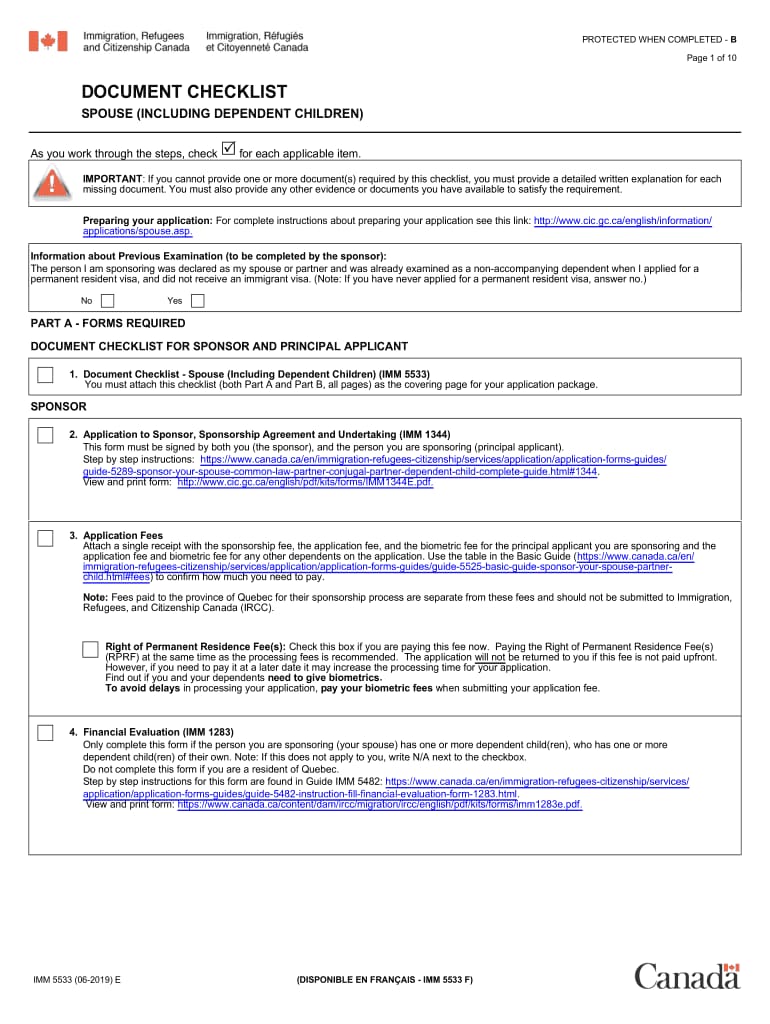
Canadian immigration document checklist (IMM 5533) for spouse and dependent children sponsorship
Consent and Legal Documents:
- Consent letter from non-accompanying parent
- Court orders (custody or guardianship documents if applicable)
- Divorce decree (if parents are divorced)
Application Forms by Country
Different countries require specific forms that must be completed accurately .
Canada:
- IMM 1344 (Sponsorship Application)
- IMM 0008 (Generic Application Form)
- IMM 5406 (Additional Family Information)
United States:
- Form I-130 (Petition for Alien Relative)
- DS-260 (Online Immigrant Visa Application)
- Form I-864 (Affidavit of Support)
Official document checklist for Canadian immigration sponsorship of conjugal partners, including dependent children
Processing Times and Costs
Understanding processing timelines and associated costs helps families plan their sponsorship journey effectively .

Processing Times for Dependent Children Sponsorship by Country – Comparison of average processing times in months
Processing Time Comparison
Processing times vary significantly between countries and can impact family planning decisions :
- Canada: Approximately 16 months for Family Class dependent children
- United States: Median of 11.8 months for immediate relatives
- United Kingdom: Approximately 3 weeks for applications from outside the UK
- Australia: 75% of applications processed within 6 months
Cost Breakdown by Country
Canada:
United States:
- Form I-130 filing fee: USD $675
- Additional processing and visa fees: approximately USD $465
- Total: approximately USD $1,140
United Kingdom:
- Child dependent visa fee: GBP $713 for 3-year visa
- Immigration Health Surcharge: GBP $1,035 per year for adults, GBP $776 for children
Special Circumstances and Adoption Cases
Adoption cases require additional considerations and documentation beyond standard dependent children sponsorship .
International Adoption Requirements
For internationally adopted children, the process involves both adoption and immigration procedures . Parents must ensure the adoption is legally recognized in both the child’s birth country and the destination country .
Key Adoption Considerations:
- Adoption must be finalized before the child’s 16th birthday (18th birthday for siblings)
- Parents must demonstrate 2 years of legal and physical custody
- Full and final adoption decree required
Step-children Sponsorship
Step-children can be sponsored under specific conditions . The stepparent-stepchild relationship must be established before the child’s 18th birthday through marriage between the biological parent and the stepparent .
Common Challenges and How to Overcome Them
Dependent children sponsorship applications face several common challenges that can lead to delays or refusals .
Documentation Issues
Incomplete or incorrect documentation remains the leading cause of application delays . Ensuring all documents are properly translated, certified, and organized according to the official checklist is essential .
Age-Related Challenges
Children approaching age limits face particular pressure, especially in countries with lower age thresholds . Understanding “age lock-in” dates helps protect against aging out during processing .
Consent and Custody Complications
Cases involving divorced parents or complex custody arrangements require careful attention to consent requirements . Court orders may be necessary to demonstrate legal authority to relocate the child .
Step-by-Step Application Process
Following a systematic approach increases the likelihood of application success .
Phase 1: Preparation
- Determine eligibility for both sponsor and child
- Gather all required documents
- Ensure documents are properly translated and certified
Phase 2: Application Submission
- Complete all required forms accurately
- Pay application fees
- Submit complete application package
Phase 3: Processing
- Receive acknowledgment of receipt (AOR)
- Complete medical examinations
- Provide biometric information
- Respond to any additional document requests
Phase 4: Decision and Finalization
- Receive decision notification
- Submit passport for visa stamping (if approved)
- Prepare for travel and arrival
Dependent Children Sponsorship: Complete Todo Checklist
Use this comprehensive checklist to guide you through the entire dependent children sponsorship process. Check off each item as you complete it to stay organized and ensure nothing is missed.
📋 PREPARATION PHASE
- Determine child’s eligibility
- Verify child’s age meets requirements
- Confirm child is unmarried/not in common-law relationship
- Assess dependency status
- Check for any special circumstances (disability, extended criteria)
- Verify sponsor eligibility
- Confirm you are 18+ years old
- Verify citizenship or permanent resident status
- Check residency requirements
- Assess financial capacity
- Review criminal record requirements
- Gather all required documents
- Birth certificate (original or certified copy)
- Adoption certificate (if applicable)
- Passport/identity documents
- Marriage certificate (sponsor)
- Divorce decree (if applicable)
- Proof of income/employment
- Tax returns (last 3 years)
- Bank statements
- Document preparation
- Get documents translated by certified translator (if needed)
- Make certified copies of all documents
- Take passport photos meeting specifications
- Organize documents according to checklist order
📝 APPLICATION PHASE
- Complete application forms
- Sponsorship application form
- Generic application form for child
- Additional family information form
- Financial evaluation (if required)
- Country-specific forms
- Review and verify
- Double-check all forms for accuracy
- Ensure all fields are completed
- Verify signatures and dates
- Cross-reference with document checklist
- Payment and submission
- Calculate total application fees
- Pay government processing fees
- Pay biometric fees
- Submit complete application package
- Keep copies of all submitted documents
- Track submission confirmation
🏥 MEDICAL & BIOMETRIC PHASE
- Medical examination
- Find approved panel physician
- Schedule medical examination appointment
- Complete medical exam within timeframe
- Ensure all required tests are completed
- Submit medical results as instructed
- Biometric information
- Receive biometric instruction letter
- Schedule appointment at biometric collection center
- Submit biometric information within 30 days
- Keep biometric confirmation receipt
- Security clearances
- Obtain police clearance certificates
- Submit from all countries where child lived 6+ months
- Ensure certificates are within validity period
⏳ WAITING & FOLLOW-UP PHASE
- Application monitoring
- Create online account to track application
- Monitor application status regularly
- Set up email notifications (if available)
- Note important dates and deadlines
- Respond to requests
- Check email regularly for government communications
- Respond promptly to requests for additional information
- Submit additional documents within specified timeframes
- Maintain updated contact information
- Stay prepared
- Prepare for potential interview
- Keep all documents organized and accessible
- Consider applying for visitor visa (if applicable)
- Research settlement services and resources
✈️ FINALIZATION PHASE
- Receive decision
- Review approval notification carefully
- Note any conditions or requirements
- Follow instructions for next steps
- Passport and visa process
- Submit passport for visa stamping
- Pay right of permanent residence fee (if applicable)
- Wait for passport return with visa
- Verify visa details for accuracy
- Travel preparation
- Book travel arrangements
- Prepare settlement funds
- Gather documents for border crossing
- Research arrival procedures
🔄 POST-ARRIVAL TASKS
- Immediate upon arrival
- Complete landing/entry process
- Receive confirmation of permanent residence
- Apply for permanent resident card
- Update address with immigration authorities
- Settlement activities
- Apply for social insurance number
- Register for healthcare coverage
- Open bank account
- Enroll child in school (if applicable)
- Research community settlement services
- Future planning
- Understand permanent residence obligations
- Learn about citizenship eligibility requirements
- Consider language training programs
- Connect with local immigrant communities
📞 IMPORTANT REMINDERS
- Keep copies: Always keep copies of everything you submit
- Meet deadlines: Pay attention to all deadlines and respond promptly
- Stay organized: Use a filing system to keep documents organized
- Get help: Consider consulting with an immigration lawyer or consultant if needed
- Be patient: Processing times can vary and may take longer than expected
- Stay informed: Check government websites regularly for updates to requirements
🆘 EMERGENCY CONTACTS
Keep these important contacts readily available:
- Immigration office phone number
- Approved panel physician contact
- Biometric collection center information
- Immigration lawyer/consultant (if using)
- Embassy/consulate contact information
Note: This checklist is a general guide. Always refer to the official government website for your specific country’s most current requirements and procedures. Requirements may vary based on your individual circumstances and the country you’re applying to/from.
Best Practices for Application Success
Document Organization
Maintain meticulous organization of all documents, keeping originals, certified copies, and translations clearly labeled . Create a tracking system to monitor deadlines and requirements .
Professional Assistance
Consider consulting with qualified immigration lawyers or consultants, especially for complex cases involving adoption, custody disputes, or previous immigration issues .
Timing Considerations
Submit applications well before children approach age limits to avoid complications from processing delays . Factor in time for document gathering, translation, and potential requests for additional information .
Communication Management
Maintain updated contact information with immigration authorities and respond promptly to all requests for additional documentation . Regular monitoring of application status helps identify issues early .
Recent Policy Changes and Updates
Immigration policies continue evolving, with recent changes affecting dependent children sponsorship across various countries .
Canada’s Recent Updates
The 2017 age limit increase from 19 to 22 years significantly expanded eligibility for Canadian sponsorship . This change applies to all applications received after October 24, 2017 .
United Kingdom’s 2024 Changes
The UK introduced new income thresholds and modified financial requirements for family visas in 2024 . These changes primarily affect spouse and partner visas but may impact families with dependent children .
Success Rates and Expectations
Well-prepared applications for dependent children sponsorship generally achieve high success rates across most countries .
Typical Success Rates:
- Canada: 85-90% for well-prepared Family Class applications
- United States: 85-90% for immediate relative categories
- United Kingdom: 80-85% for family visa categories
- Australia: 90%+ for applications meeting all criteria
Conclusion
Dependent children sponsorship offers families a pathway to reunification, but success requires careful attention to eligibility requirements, documentation, and procedural details . Understanding age limits, gathering comprehensive documentation, and following systematic application procedures significantly improve the likelihood of approval .
The investment in time and resources for dependent children sponsorship yields invaluable returns in family unity and children’s opportunities for growth in their new country . With proper preparation and attention to detail, families can navigate this complex process successfully and achieve their goal of reunification .
Remember that immigration requirements change regularly, so always consult the most current official government resources and consider professional assistance for complex situations . The journey may be challenging, but the reward of bringing your family together makes every effort worthwhile .
Related reading: How to Sponsor Your Spouse: Complete Spousal Sponsorship — a closer look at this topic.