Common-Law Partner Sponsorship: Proving Your Relationship
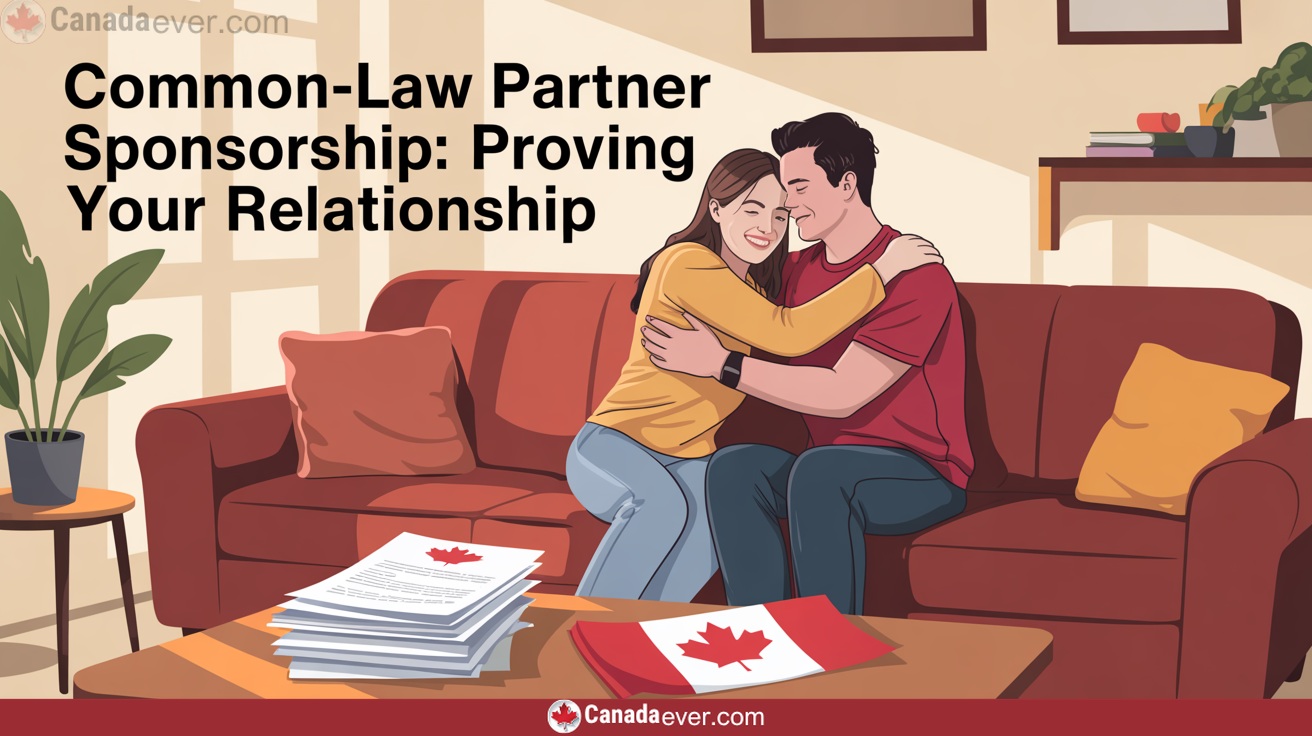
Building a life together with your partner in a new country is one of life’s most meaningful journeys, and understanding how to prove your common-law relationship for sponsorship purposes is crucial for success. This comprehensive guide will walk you through everything you need to know about common-law partner sponsorship, from understanding the basic requirements to successfully submitting your application.
Building a life together with your partner in a new country is one of life’s most meaningful journeys, and understanding how to prove your common-law relationship for sponsorship purposes is crucial for success.
This comprehensive guide will walk you through everything you need to know about common-law partner sponsorship, from understanding the basic requirements to successfully submitting your application.
What is Common-Law Partner Sponsorship?
Common-law partner sponsorship allows Canadian citizens and permanent residents to sponsor their common-law partner for permanent residency in Canada. Unlike married couples who have a marriage certificate as legal proof of their relationship, common-law partners must provide extensive evidence to demonstrate the authenticity and durability of their relationship.
A common-law partnership is defined as two people living together in a marriage-like relationship for at least 12 consecutive months. This relationship must be exclusive, genuine, and demonstrate a significant degree of commitment between both partners.
Understanding the Legal Definition
Key Requirements for Common-Law Relationships
The Immigration, Refugees and Citizenship Canada (IRCC) has specific criteria that must be met for a relationship to qualify as common-law:
- Continuous cohabitation: You must have lived together for at least 12 consecutive months without any significant breaks
- Marriage-like relationship: The relationship must demonstrate emotional and physical intimacy, mutual support, and shared responsibilities
- Exclusivity: Both partners must be committed to each other to the exclusion of all others
- Public recognition: Others should recognize you as a couple in social and family settings
Temporary Separations
Short-term separations for work, family obligations, or travel are acceptable as long as the intention to continue the relationship is clear. However, extended periods apart can break the cohabitation requirement and may disqualify your application.
Eligibility Requirements
Sponsor Eligibility
To sponsor a common-law partner, you must meet several requirements:
- Be at least 18 years old
- Be a Canadian citizen, permanent resident, or person registered as an Indian under the Canadian Indian Act
- Live in Canada (Canadian citizens living abroad must demonstrate intent to return)
- Demonstrate financial ability to support your partner without relying on social assistance
- Have no criminal convictions that would make you ineligible (or be eligible for rehabilitation)
- Not be in default on previous sponsorship undertakings
Partner Eligibility
Your common-law partner must also meet specific criteria:
- Be at least 18 years old
- Be admissible to Canada (no criminal or medical inadmissibility)
- Not be married to someone else
- Undergo medical examinations as required
- Pass background and security checks
Processing Times and International Comparison
Processing times for common-law partner sponsorship vary significantly depending on your location and the complexity of your case. Understanding these timelines helps you plan appropriately for your reunion.
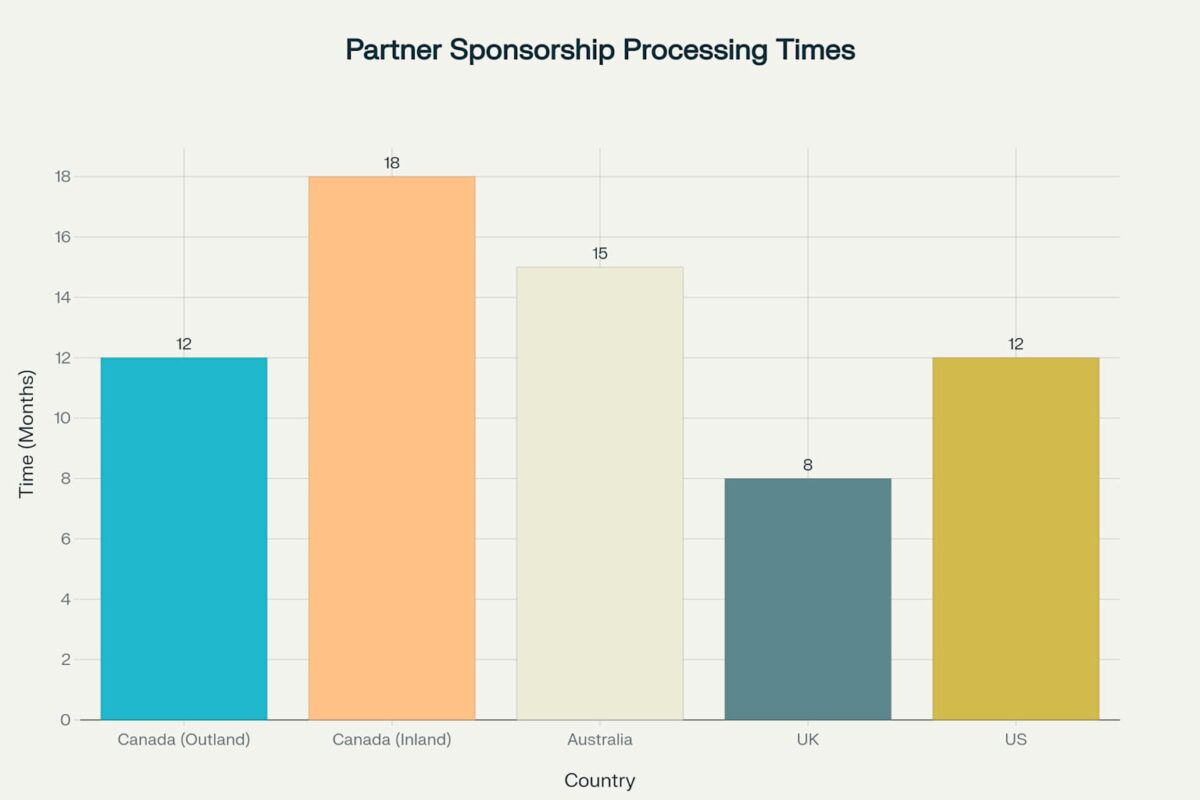

Processing times for partner sponsorship applications vary significantly by country, with the UK having the fastest processing (8 months) and Canada Inland taking the longest (18 months)
As shown in the comparison above, Canada’s processing times are competitive internationally, though they vary between inland and outland applications. Outland applications (where the partner lives outside Canada) typically process faster than inland applications (where the partner is already in Canada).
The Application Process: Step-by-Step Guide
The common-law partner sponsorship process involves multiple phases, each with specific requirements and timelines. Understanding this process helps you prepare effectively and avoid common delays.

The common-law partner sponsorship process involves 6 main phases, taking an estimated 10-18 months from start to finish, with the principal applicant processing being the longest phase
Phase 1: Pre-Application (2-4 weeks)
This crucial phase involves determining eligibility, gathering documents, and preparing your application package. Starting early and staying organized during this phase can significantly impact your application’s success.
Phase 2: Application Submission (1 week)
Once your documents are ready, you’ll complete all required forms, pay the necessary fees, and submit your application online. As of September 2022, all spousal sponsorship applications must be submitted online.
Phase 3: Acknowledgment (2-4 weeks)
After submission, you’ll receive an Acknowledgment of Receipt (AOR) with your application number. This allows you to create an online account and track your application’s progress.
Phase 4: Sponsor Assessment (2-4 months)
IRCC will review your eligibility as a sponsor during this phase. They’ll verify your identity, financial capacity, and ensure you meet all sponsorship requirements.
Phase 5: Principal Applicant Processing (6-12 months)
This is typically the longest phase, where your partner undergoes medical examinations, background checks, and security screening. Processing times can vary based on your partner’s country of origin and case complexity.
Phase 6: Decision and Landing (1-2 months)
If approved, your partner will receive a Confirmation of Permanent Residence (COPR) and can complete the landing process in Canada.
Document Requirements: Building Your Evidence Package
Successfully proving your common-law relationship requires comprehensive documentation across multiple categories. The strength of your evidence package directly impacts your application’s likelihood of approval.
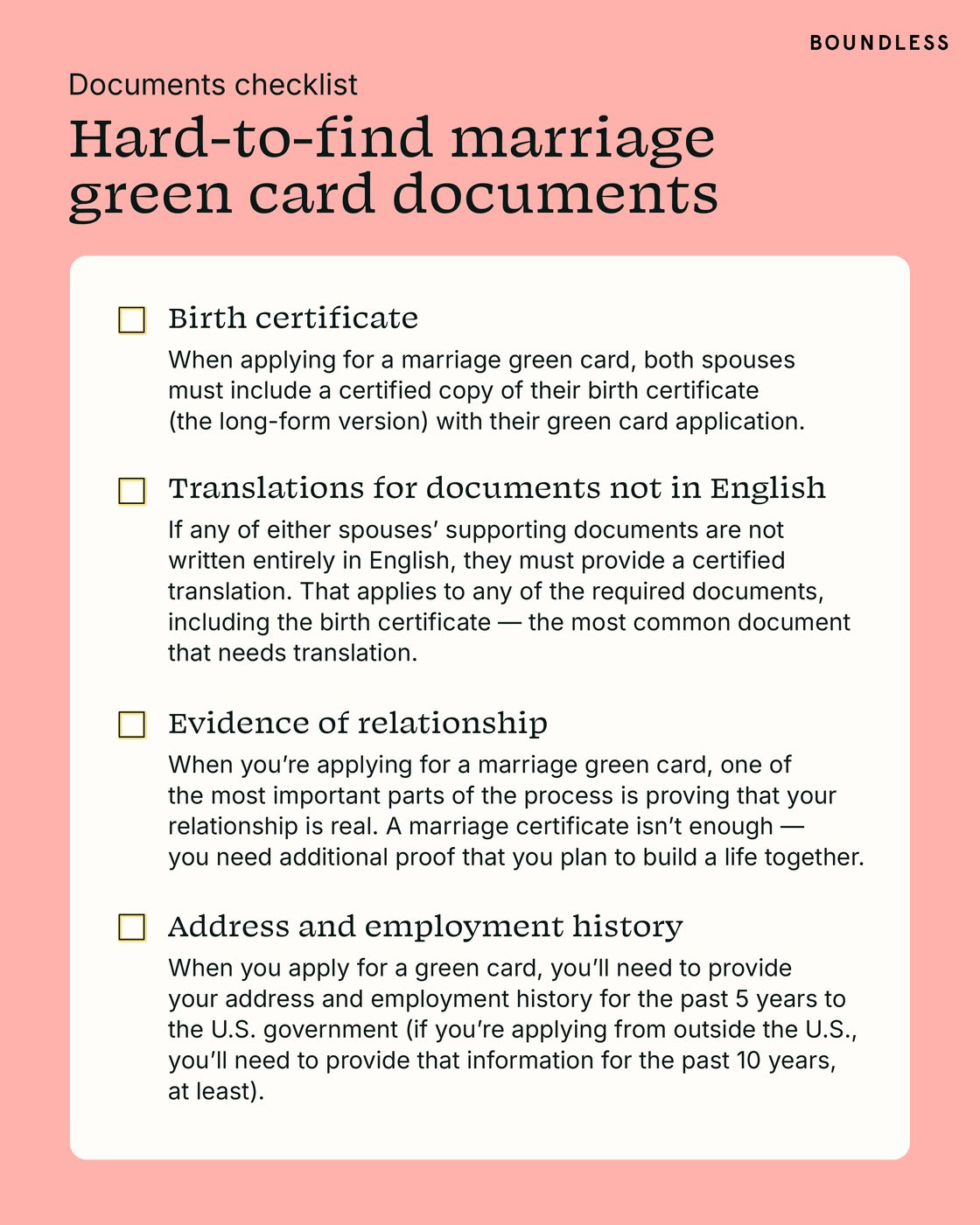
Checklist of hard-to-find documents needed for marriage green card applications, including birth certificates, translations, evidence of relationship, and address/employment history
Critical Documents (Priority Level: Critical)
- Valid passports or travel documents
- Birth certificates
- National identity cards
- Joint lease agreements or mortgage documents
- Utility bills in both names
- Joint bank account statements
- Tax returns and employment letters
- Bank statements showing shared finances
- Proof of financial interdependence
- Police clearance certificates from all countries lived in for 6+ months since age 18
- Medical examination results
- Divorce or death certificates from previous relationships (if applicable)
High Priority Documents
Additional Relationship Evidence:
- Joint insurance policies
- Photos together spanning the relationship (maximum 20)
- Communication records (emails, texts, social media)
- Travel records showing trips taken together
- Affidavits from friends and family
- Evidence of shared responsibilities
Financial Obligations and Fees
Understanding the financial commitment of sponsorship is essential for planning. The total cost includes government fees, medical examinations, and potential additional expenses.
Application Fees (2025 CAD)
Below is a breakdown of the fees required for submitting a complete sponsorship application package for permanent residence. These fees apply to the sponsor and the principal applicant and must be paid at the time of application submission.
| Fee Type | Amount (CAD) | Purpose |
|---|---|---|
| Sponsorship Fee | $85 | Processing sponsor application |
| Principal Applicant Fee | $545 | Processing partner’s application |
| Right of Permanent Residence Fee | $575 | Final landing fee |
| Biometrics Fee | $85 | Fingerprints and photo (if required) |
| Total | $1,290 | Complete application package |
Additional Costs
Medical examinations typically cost $300-500 CAD depending on your partner’s country of residence. You should also budget for document translation, certification, and potential legal consultation fees.
Sponsorship Undertaking
As a sponsor, you’re legally obligated to financially support your partner for three years from the date they become a permanent resident. This obligation continues even if your relationship ends, you face financial difficulties, or your partner becomes a Canadian citizen.
Common Mistakes to Avoid
Learning from others’ mistakes can save you significant time and stress in your application process. Immigration officers see these errors frequently, and avoiding them strengthens your application.
Documentation Errors
- Inconsistent Information: Ensure all forms and documents contain consistent details about dates, addresses, and personal information. Even minor discrepancies can raise red flags and cause delays.
- Insufficient Evidence: Providing minimal documentation is one of the most common reasons for application refusal. More comprehensive evidence is always better than insufficient proof.
- Poor Quality Documents: Submit clear, legible copies of all documents. Blurry or incomplete documents may be rejected and require resubmission.
Process Mistakes
- Missing Deadlines: Respond promptly to all requests from IRCC. Failing to meet deadlines can result in application refusal.
- Incomplete Applications: Applications missing required documents or forms will be returned without processing. This resets your place in the processing queue.
- Inadequate Relationship Statement: A brief or vague relationship statement undermines your application. Provide detailed information about how you met, your relationship development, and future plans.
Tips for a Successful Application
Start Early and Stay Organized
Begin gathering documents at least six months before you plan to apply. Create a systematic filing system to track all required documents and their expiration dates.
Strengthen Your Evidence Package
- Document Your Relationship Timeline: Create a comprehensive timeline of your relationship, including key milestones like when you met, moved in together, and made major decisions together.
- Gather Diverse Evidence: Include various types of evidence to paint a complete picture of your relationship. Financial documents, photos, communication records, and third-party affidavits all serve different purposes.
- Quality Over Quantity: While comprehensive evidence is important, focus on high-quality, relevant documents rather than overwhelming the officer with unnecessary paperwork.
Professional Assistance
Consider hiring a regulated immigration consultant or lawyer, especially if your case involves complex circumstances. Professional help can be particularly valuable for cases involving criminal history, medical issues, or previous immigration violations.
Common-Law Partner Sponsorship Checklist
Having a systematic approach to document gathering and application preparation significantly improves your chances of success. Use this comprehensive checklist to ensure you don’t miss any critical steps.
📋 Pre-Application Phase
Eligibility Assessment
- Sponsor Eligibility
- Age: 18+ years old
- Status: Canadian citizen, PR, or Registered Indian
- Residence: Living in Canada (or citizen planning to return)
- Financial capacity: Can support partner without social assistance
- No criminal convictions (or eligible for rehabilitation)
- No previous sponsorship defaults
- Relationship Requirements
- Cohabitation: Living together continuously for 12+ months
- Genuine relationship: Marriage-like commitment
- Documentation: Evidence of shared life/responsibilities
- No prohibited relationships (not close relatives)
- Partner Eligibility
- Age: 18+ years old
- Admissible to Canada: No criminal/medical inadmissibility
- Not married to someone else
- Medical exam: Willing to undergo examination
📂 Document Collection Phase
🆔 Identity Documents
- Sponsor Documents
- Canadian passport/citizenship certificate
- Birth certificate
- Driver’s license
- SIN card (copy)
- Partner Documents
- Valid passport/travel document
- Birth certificate
- National ID card
- Driver’s license (if applicable)
💑 Relationship Evidence
- Cohabitation Proof
- Joint lease agreement or mortgage documents
- Utility bills in both names (minimum 6 months)
- Joint bank account statements
- Mail addressed to both at same address
- Joint insurance policies
- Relationship Documentation
- Photos together (20 maximum, spanning relationship)
- Communication records (emails, texts, calls)
- Travel records together
- Joint purchases receipts
- Social media evidence
- Affidavits from friends/family (3-5 letters)
💰 Financial Documents
- Sponsor Financial Evidence
- Notice of Assessment (last 3 years)
- Employment letter
- Pay stubs (recent 3 months)
- Bank statements (6 months)
- Asset documentation
- Joint Financial Evidence
- Joint tax returns (if filed)
- Joint bank statements (12 months)
- Joint credit cards/loans
- Joint investment accounts
📋 Legal & Medical
- Criminal Background
- Police clearance certificates (all countries lived 6+ months since age 18)
- Court documents (if applicable)
- Rehabilitation certificates (if applicable)
- Medical Requirements
- Medical examination appointment booked
- Vaccination records
- Medical history documentation
📝 Application Forms Phase
Government Forms
- IMM 1344 – Application to Sponsor
- IMM 0008 – Generic Application for Canada
- IMM 5532 – Relationship Information Form
- IMM 5406 – Additional Family Information
- IMM 5669 – Schedule A – Background/Declaration
- IMM 5562 – Supplementary Travel Information
- IMM 5476 – Use of Representative (if applicable)
- IMM 5475 – Authority to Release Information (if applicable)
Form Completion Checklist
- All sections completed (write “N/A” if not applicable)
- Consistent information across all forms
- All signatures and dates included
- Forms validated (if digital validation available)
- Photocopies made for records
💳 Financial Obligations
Application Fees (CAD)
- Sponsorship fee: $85
- Principal applicant processing fee: $545
- Right of Permanent Residence Fee: $575
- Biometrics fee: $85 (if required)
- Medical exam fee: $300-500 (varies by country)
Payment Documentation
- Fee payment receipt
- Bank statements showing fee payments
- Receipt numbers recorded for tracking
📤 Submission Phase
Final Review
- Document checklist completed
- All forms signed and dated
- Copies organized in order
- Payment receipts included
- Cover letter prepared (optional but recommended)
Submission
- Online application submitted
- Confirmation email received
- Application number recorded
- Online account created and linked
⏱️ Post-Submission Phase
Tracking & Communication
- Application status checking system set up
- Regular monitoring of online account
- Prompt response to any requests from IRCC
- Address/contact changes updated immediately
Preparation for Next Steps
- Medical exam completed when requested
- Interview preparation (if required)
- Travel plans for partner (when approved)
- Settlement planning in Canada
🚨 Common Mistakes to Avoid
- Don’t submit incomplete applications – Will be returned
- Don’t provide inconsistent information – Causes delays/refusal
- Don’t miss deadlines – Respond to requests promptly
- Don’t forget to declare all family members – Even if not accompanying
- Don’t use uncertified translations – Must be certified translations
- Don’t submit poor quality photos – Ensure clear, readable documents
📞 Emergency Contacts & Resources
Government Resources
- IRCC Contact Centre: 1-888-242-2100
- Online Account: www.canada.ca
- Processing Times: Check current estimates online
Professional Help
- Regulated Immigration Consultants: Search CICC directory
- Immigration Lawyers: Contact provincial law societies
⚡Pro Tips for Success
- Start Early: Begin gathering documents 6 months before applying
- Be Thorough: More evidence is better than insufficient proof
- Stay Organized: Create a filing system for all documents
- Keep Copies: Maintain copies of everything submitted
- Monitor Regularly: Check application status weekly
- Professional Help: Consider hiring a consultant for complex cases
- Language: Ensure all documents are in English or French
- Honesty: Never provide false information – consequences are severe
Last Updated: 2025
Note: Requirements may change. Always check the most current information on the official IRCC website.
Resources and Support
Government Resources
- IRCC Contact Centre: 1-888-242-2100 for general inquiries
- Online Services: Create an account at canada.ca to track your application
- Processing Times: Check current estimates on the IRCC website
Professional Help
If you need assistance with your application, ensure you work with authorized representatives. Regulated Immigration Consultants (RCICs) and lawyers can provide expert guidance while protecting your interests.
Language Requirements
All documents not in English or French must be accompanied by certified translations. The translator must provide an affidavit confirming the accuracy of the translation.
Preparing for Life After Approval
Once your partner receives permanent residence, they’ll have the right to live, work, and study anywhere in Canada. However, they must also meet residency obligations to maintain their permanent resident status.
Settlement Planning
Consider practical aspects of your partner’s arrival, including:
- Housing arrangements and lease modifications
- Healthcare registration in your province
- Social Insurance Number application
- Banking and financial account setup
- Employment authorization and job searching
Conclusion
Successfully proving your common-law relationship for sponsorship purposes requires careful preparation, comprehensive documentation, and patience throughout the process. While the requirements may seem overwhelming initially, breaking them down into manageable steps makes the process more approachable.
Remember that every relationship is unique, and the evidence that works best for your application may differ from other couples. Focus on demonstrating the genuine nature of your partnership through consistent, high-quality evidence that tells the complete story of your relationship.
The investment of time and effort in preparing a thorough application pays dividends in faster processing times and higher approval rates. With proper preparation and attention to detail, you’ll be well-positioned to successfully reunite with your partner in Canada.
Start early, stay organized, and don’t hesitate to seek professional guidance when needed. Your journey to building a life together in Canada begins with a well-prepared sponsorship application.
Related reading: Inland vs Outland Sponsorship: Which Option to Choose — a closer look at this topic.